
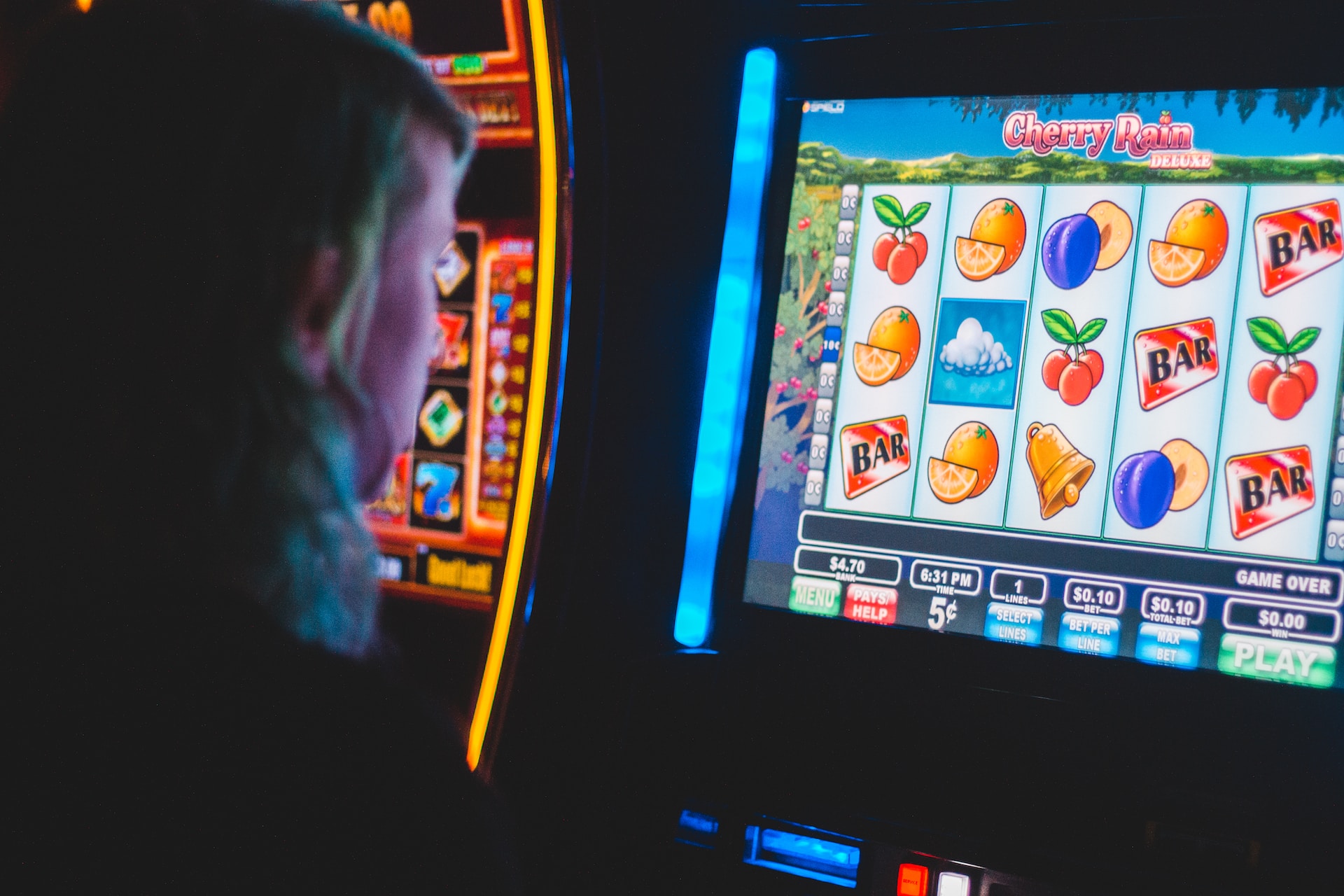
Traditionally, slot games have been synonymous with luck and chance, where players rely solely on random outcomes to determine their wins. However, the casino landscape is currently undergoing a significant shift with the rise of skill-based slot games like online slots. These games offer players an opportunity to showcase their abilities and influence the outcome, blurring the lines between luck and skill. In this blog post, we will explore how skill-based slot games are redefining luck and shaping the future of casino gaming. Let’s dive in!
The Rise of Skill-Based Slot Games
Skill-based slot games are a new breed of casino entertainment that combines elements of traditional video games with the excitement of slot machines. These games integrate player skill, strategy, and decision-making into the gameplay, allowing individuals to have a more active role in determining their outcomes. Unlike traditional slots, where luck is the sole determinant, skill-based games introduce a new dimension that appeals to a broader audience.
Understanding the Gameplay
In skill-based slot games, players are often presented with objectives or challenges that they must complete within a specific timeframe. These challenges may involve shooting targets, navigating obstacles, or solving puzzles. The player’s performance and skill directly impact their chances of winning. The better they perform, the higher their potential payouts. This interactive and engaging gameplay provides a refreshing twist to the traditional slot experience.

Attracting a New Generation of Players
One of the key advantages of skill-based slot games is their ability to attract a younger demographic of players who seek more interactive and engaging gaming experiences. These players are often familiar with video games and expect a certain level of skill and strategy in their gameplay. By incorporating these elements into slot games, casinos can cater to this evolving market and bring in a new wave of customers.
Enhanced Player Engagement and Retention
Skill-based slot games offer a higher degree of player engagement compared to traditional slots. The challenge of mastering the game mechanics and improving one’s skills keeps players involved and motivated. This increased engagement leads to longer playing sessions, improved player retention, and, ultimately, greater revenue for the casino.
Balancing Skill and Luck
While skill-based slot games introduce an element of player skill, luck still plays a role in determining outcomes. The games incorporate random elements or traditional slot features like wild symbols and bonus rounds to ensure that luck remains a factor. This balance between skill and luck creates an exciting and unpredictable experience for players, combining the best of both worlds.
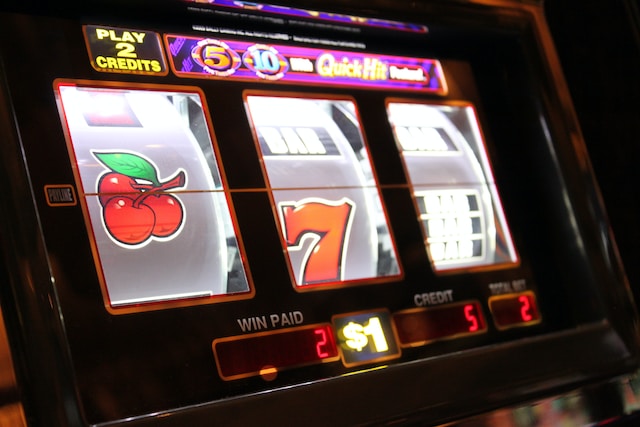
The Future of Casino Gaming
Skill-based slot games represent a significant shift in the casino landscape, redefining the notion of luck and appealing to a wider audience. As technology continues to advance, we can expect even more innovative and immersive skill-based games to emerge. The integration of virtual reality, augmented reality, and competitive multiplayer elements may further enhance the skill-based gaming experience, attracting a larger player base and transforming the future of casino gaming.
Conclusion
Skill-based slot games are revolutionizing the casino landscape by blurring the lines between luck and skill. By incorporating player abilities and decision-making into the gameplay, these games attract a new generation of players, enhance engagement and retention, and redefine what it means to win in a casino.




 One of the primary reasons why knowing the RTP is essential is that it allows players to make informed betting decisions. By understanding the average payout percentage of a slot machine, players can assess the risks associated with the game. For example, if a slot game has an RTP of 96%, players can expect to receive, on average, $96 for every $100 wagered. With this knowledge, players can choose games that offer higher RTPs, maximizing their chances of winning.
 Understanding the RTP also helps players evaluate the variance of a slot game. Variance, or volatility, refers to the level of risk associated with a particular

 Ring games are the conventional way of playing poker. Players come in when they want and leave when they want. Unlike a tournament, your chips in a ring game represent the specific amount they were purchased for. Ring games can go on indefinitely, with two or ten players, and end only when there are not enough players who want to play. Since there is no requirement to pick a winner, the blinds remain static the entire time.